

Security Technologies Remain Fragmented
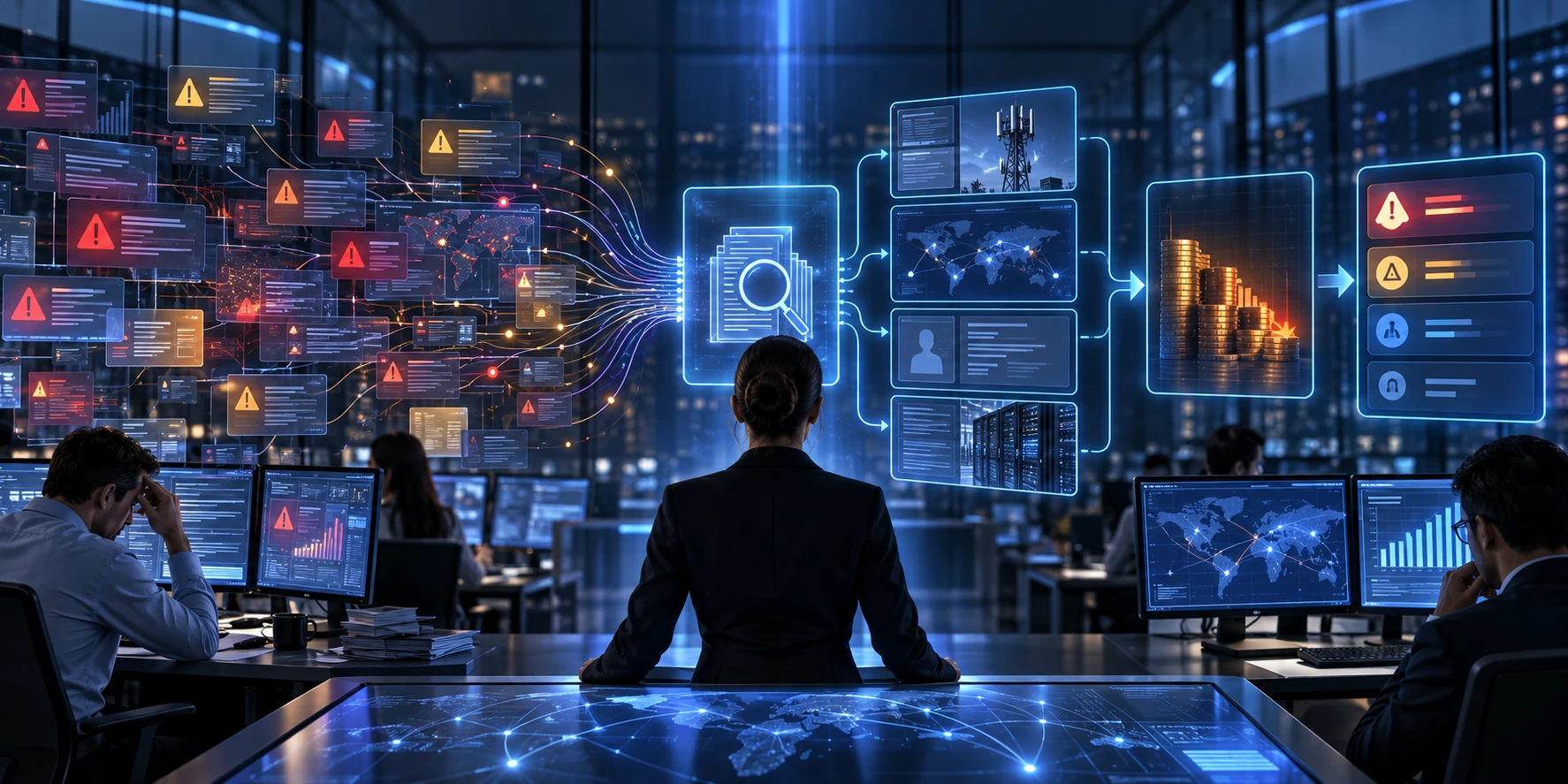
Multiple security tools operating independently create visibility gaps, integration challenges, and greater complexity for security teams.
We connect cybersecurity technologies across network, endpoint, cloud, data, identity, security operations, and AI to reduce fragmentation, strengthen protection, and build an AI-ready security architecture.
Challenges
Multiple security tools operating independently create visibility gaps, integration challenges, and greater complexity for security teams.
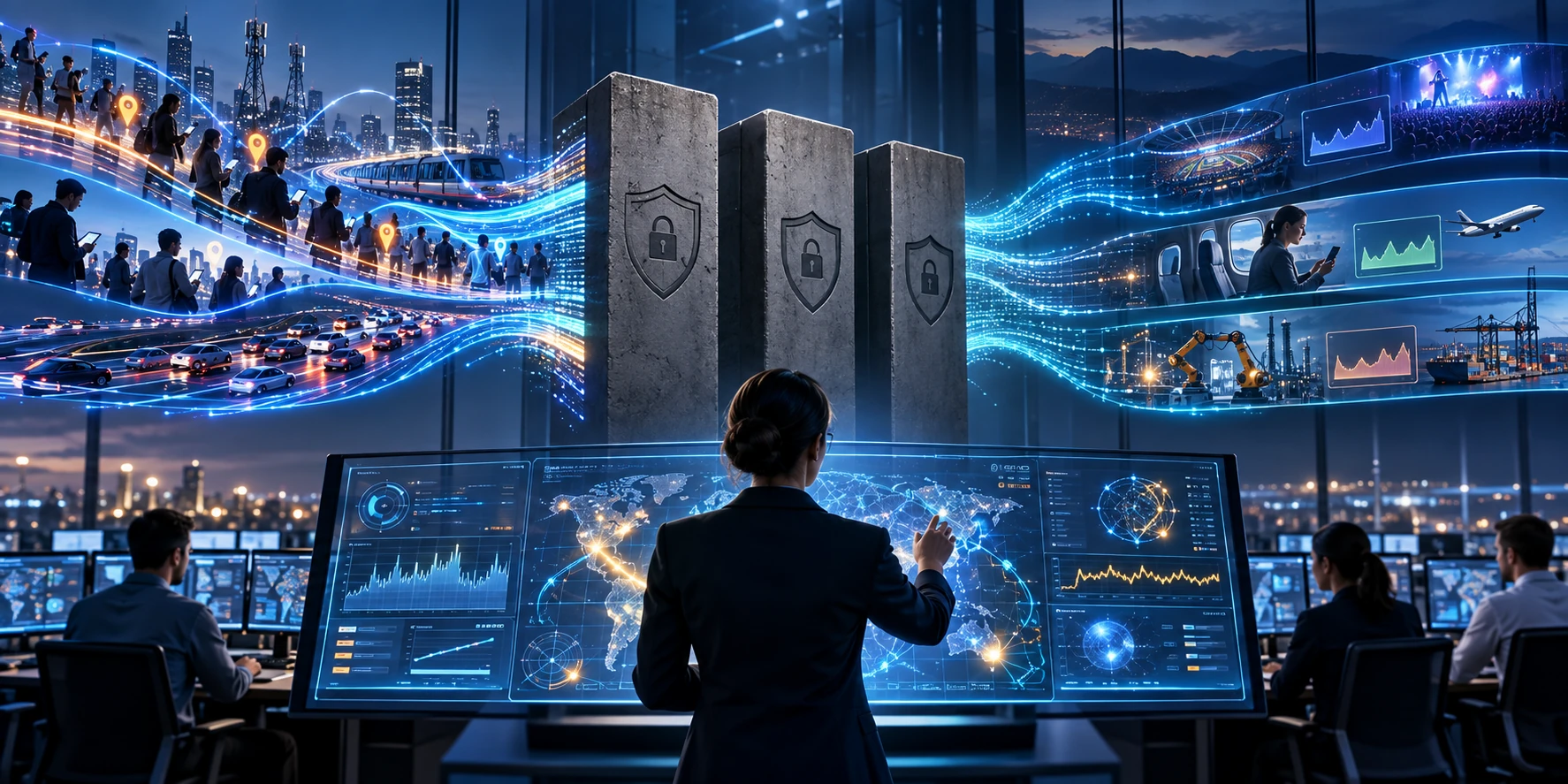
Cloud adoption, distributed infrastructure, connected devices, and digital services continuously expand the attack surface organizations need to protect.
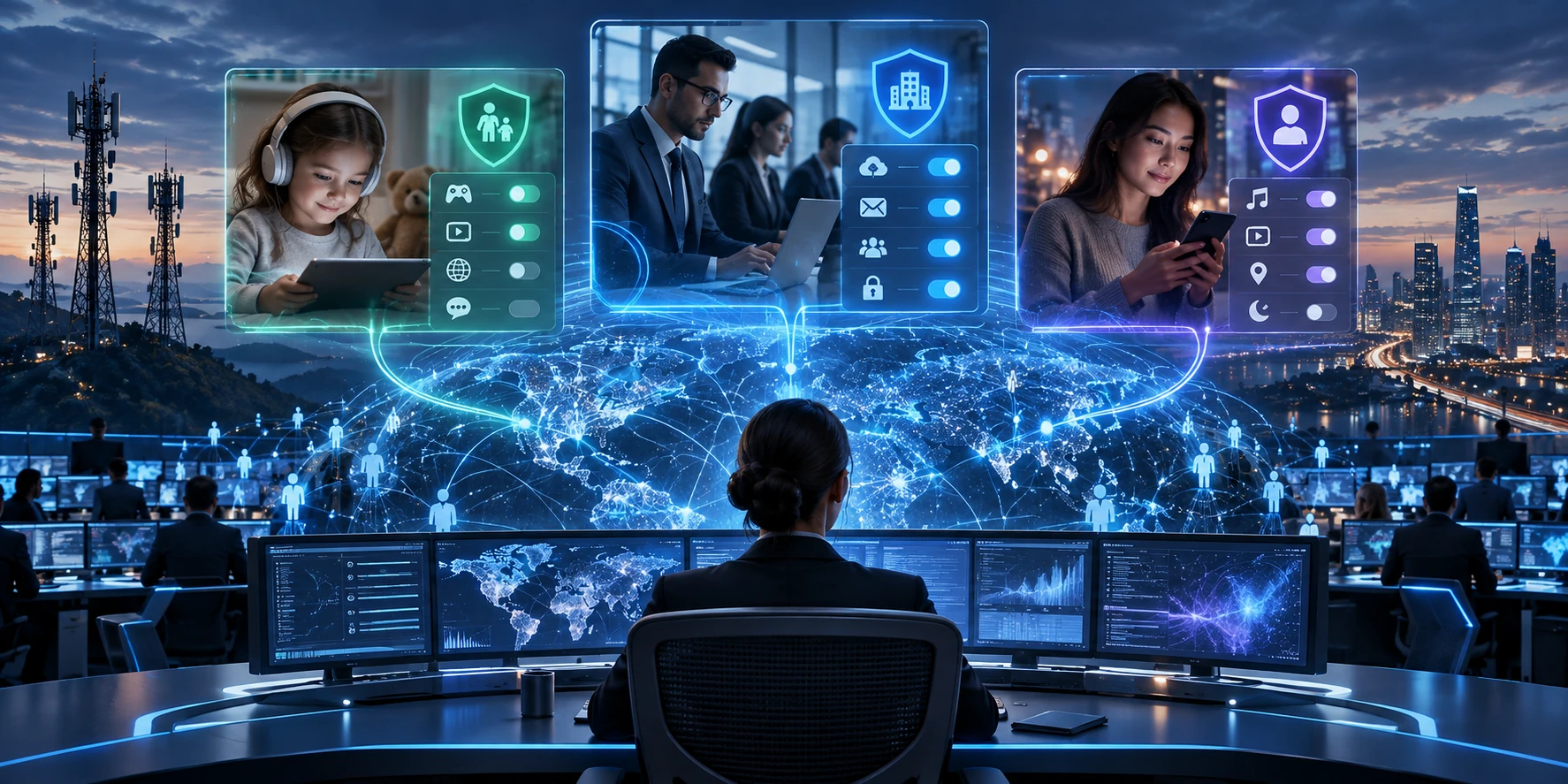
Growing volumes of alerts and security data make it harder for teams to identify and prioritize meaningful threats.

Distributed access, applications, and data environments increase the need for consistent identity, access, and data protection controls.
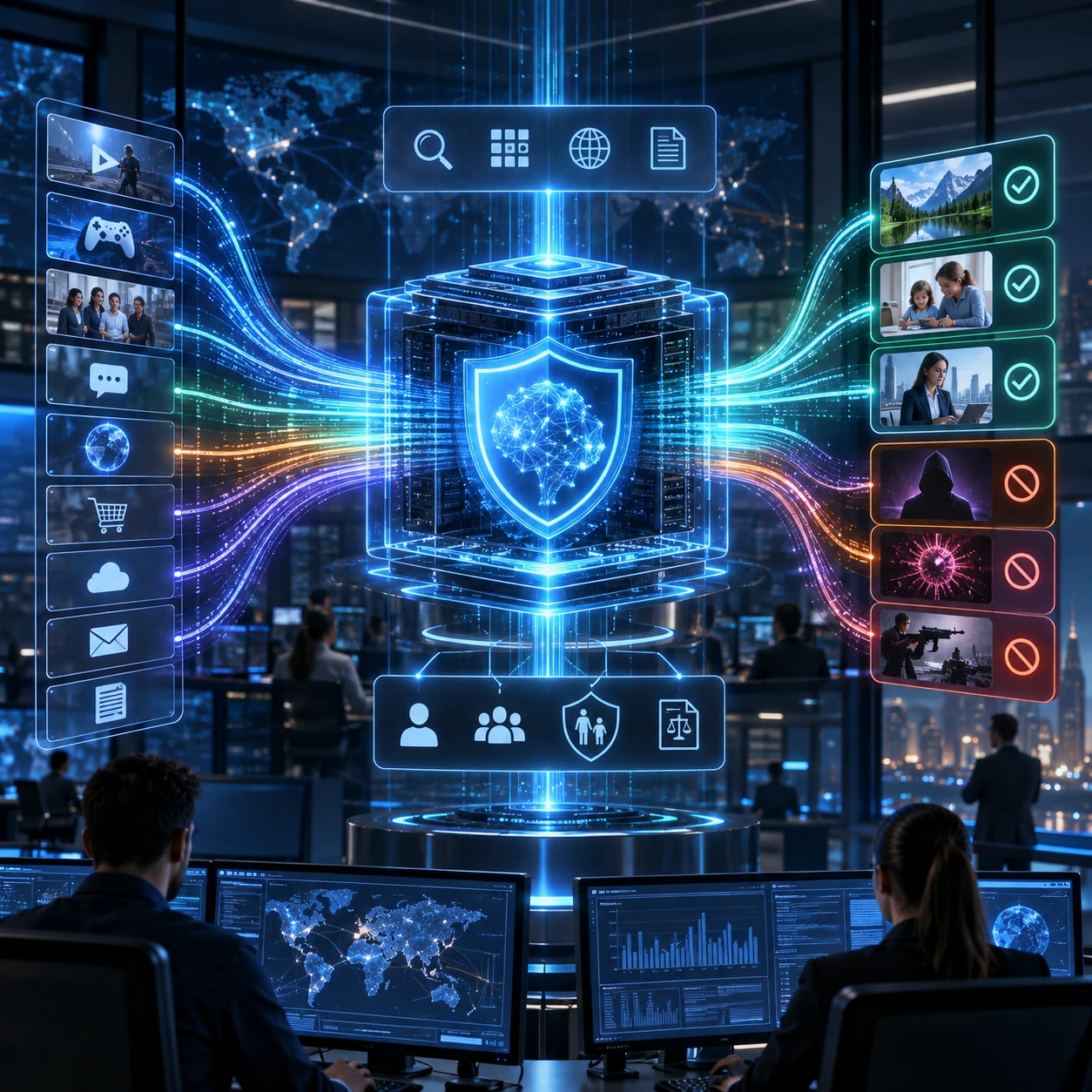
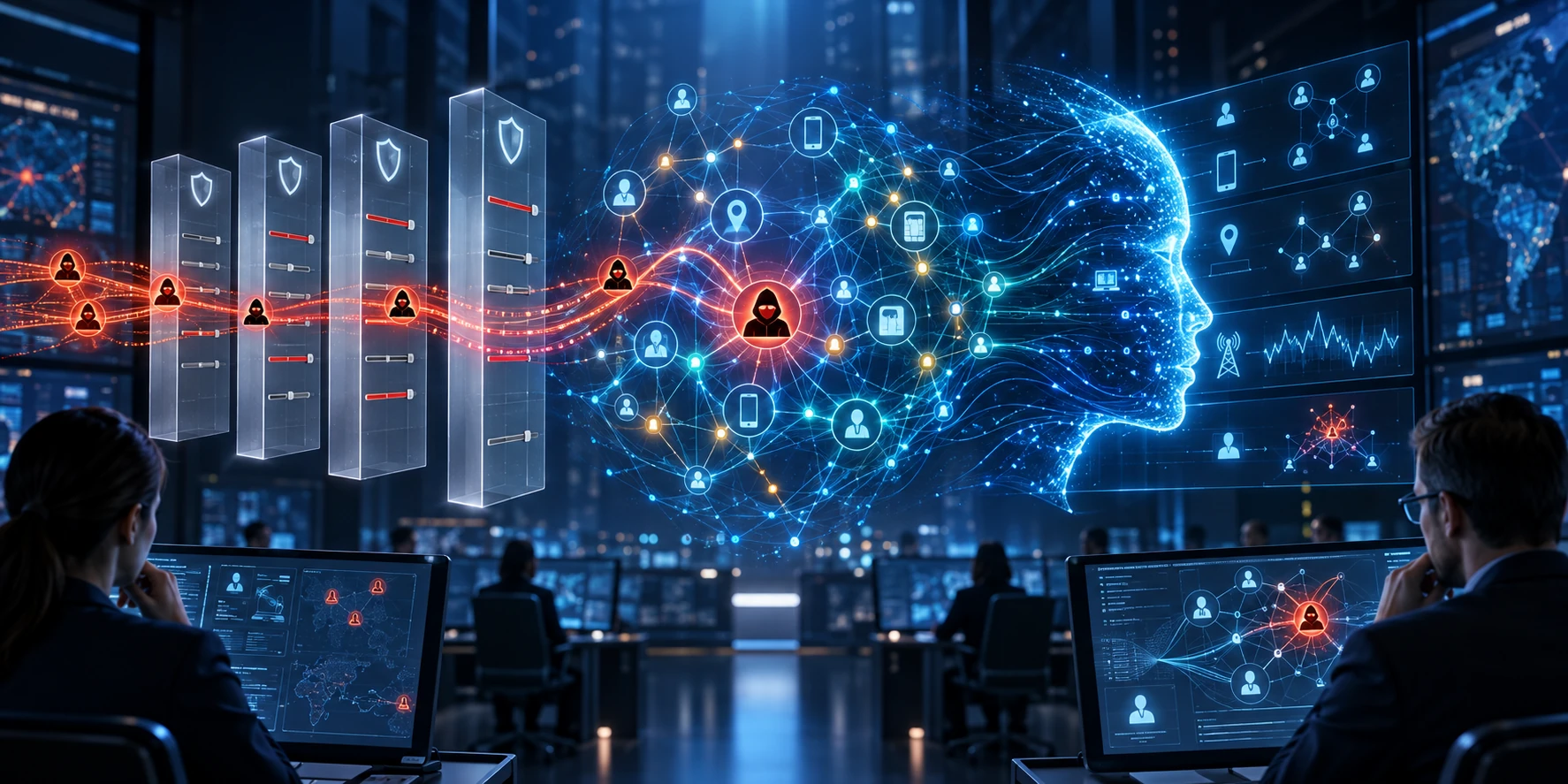
Autonomous agents, non-human identities, persistent state, and tool access introduce risks that traditional security architectures were not designed to govern or enforce.
Product Overview
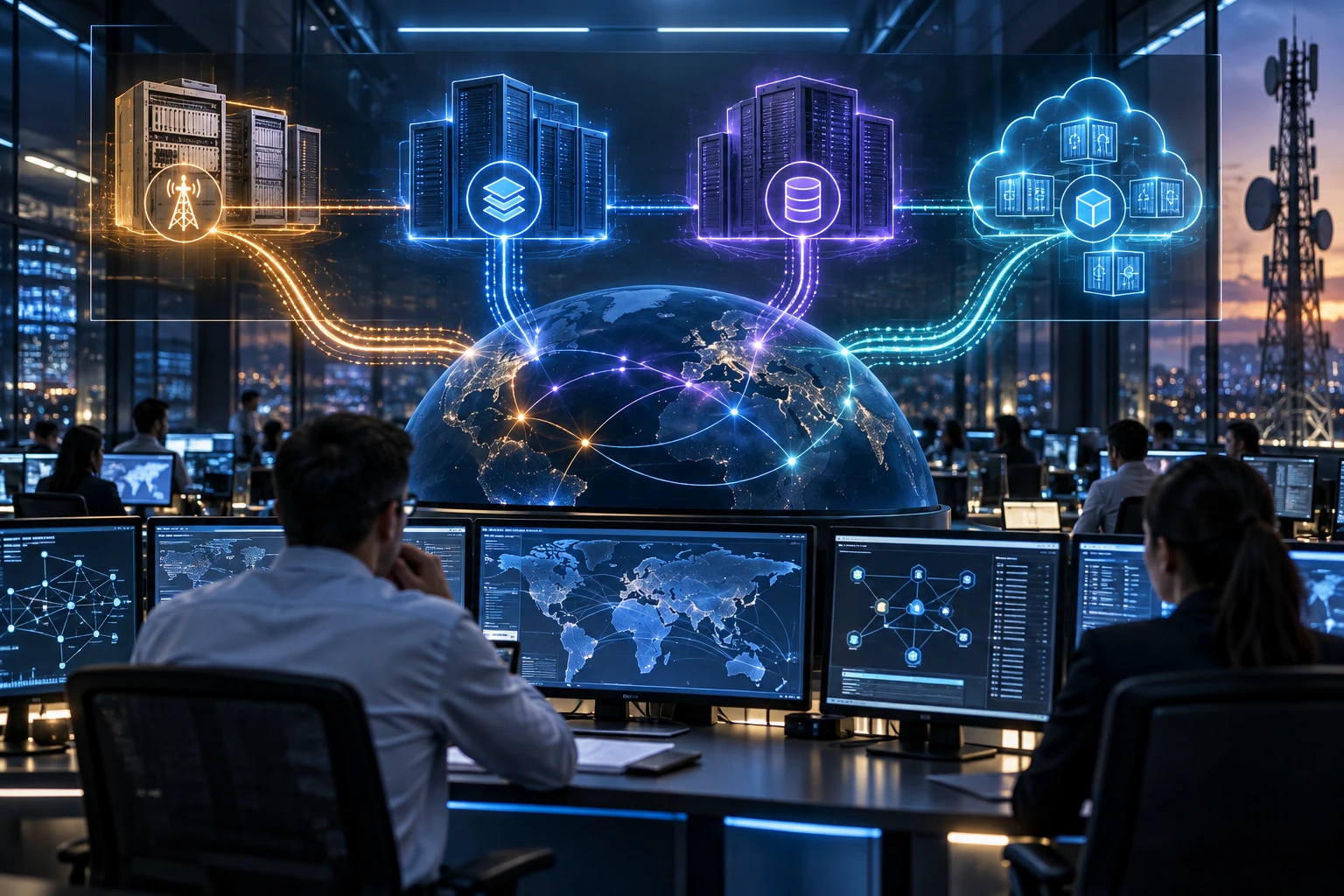
CyberStack is the technology capability layer within our Cyber & AI Engineering model, bringing together security technologies across endpoint, network, cloud, data, identity, governance, security operations, business continuity, and AI Security.
We integrate these capabilities with existing IT and network environments rather than replacing what already works. CyberStack reduces fragmentation, connects security technologies and data, and creates the architecture required for stronger security operations and AI governance.
Working alongside CyberForce, our expert services layer, we combine connected security technology with the expertise and operational discipline required to assess, implement, operate, and continuously improve security.
Capabilities

We strengthen visibility and protection across distributed endpoint and device environments as threats and operating models evolve.

We protect network infrastructure, traffic, and access across increasingly distributed and connected environments.

We extend protection across cloud infrastructure, workloads, applications, and configurations as cloud environments evolve.

We apply security controls to protect sensitive and critical data across its lifecycle, environments, and access points.

We strengthen identity, authentication, authorization, and access controls to help ensure appropriate access to systems and resources.

We enable policy management, risk visibility, control monitoring, compliance tracking, and audit reporting across the security environment.

We connect security technologies, intelligence, data, and operational systems across IT and network environments to create a more unified foundation for security monitoring and response.

We support continuity and recovery capabilities that help protect critical operations and reduce disruption when security incidents occur.

We bring AI agents and systems under a governed security model spanning discovery, identity, lifecycle controls, behavioural assurance, runtime enforcement, continuous monitoring, resilience, and evidence-based assurance.
Process
We assess the existing security technology environment to identify integration gaps, risks, and operational requirements.
We define a connected security architecture around the existing environment, security priorities, AI requirements, and maturity.
We integrate security technologies and controls across existing IT and network infrastructure to improve visibility, protection, and operational coordination.
We connect security technologies, data, controls, and workflows to improve visibility, coordination, and governance across the environment.
We continuously optimize the security environment as threats, technologies, AI adoption, and operational requirements evolve.
Results
A more integrated and manageable environment with security technologies working together across critical security domains.
Improved visibility across infrastructure, identities, data, endpoints, cloud, and network environments.
Connected controls across multiple security layers strengthen protection across the technology environment.
A more rationalized security stack reduces duplication, fragmentation, and unnecessary operational complexity.
Connected technologies, intelligence, data, and workflows create a stronger foundation for coordinated security operations.
Governance, visibility, identity controls, and enforcement extend into AI and agentic environments without displacing existing security investments.